
Home Writing Artwork Photography About News Contact Links

Beaches and Resorts
Livadi, Maltezana, Steno and Plaka can be reached by bus, others, such as Vatses, Ag. Konstantinos and Tzanaki require a hire vehicle. Beyond the main road at Livadi (and similarly at Maltezana) dirt roads take over and our hire jeep was ideal. We encountered countless mounds of shingle/hardcore so it looks like road improvements are being made. It’s quite entertaining driving around in the hills and feels unspoilt, especially when you encounter a goat or ten on the track and wait for them to decide which way they want to go. Some beaches can only be visited by boat. Of those we visited Kaminakia and Maltezana are sandy, Livadi has small pebbles with sand a few feet into the sea and the others are generally pebbly (but fine with a lightweight pair of neoprene shoes on, if you’re wimps like us). Astypalaia is one of those islands where you can still find really quiet, unspoilt little beaches (as of 2008 anyway) and in September the main ‘resorts’ of Livadi and Maltezana don’t feel too crowded, especially the latter.
Pera Gialos, Maltezana and Livadi have tavernas etc. – see the tavernas page for more information:
PERA GIALOS
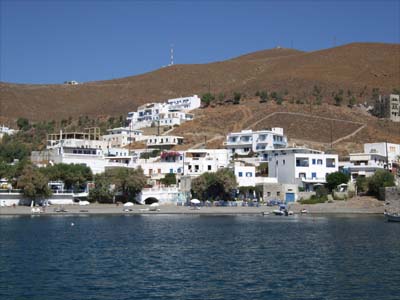
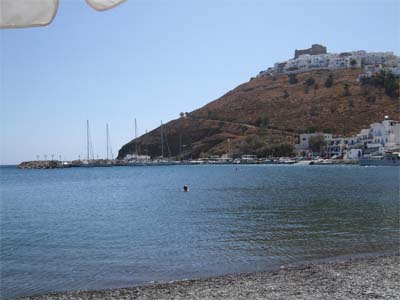
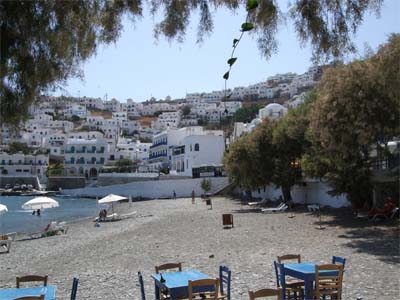
With a great view of the Chora and kastro above, the pebbly beach makes for a very pleasant way to spend a day.
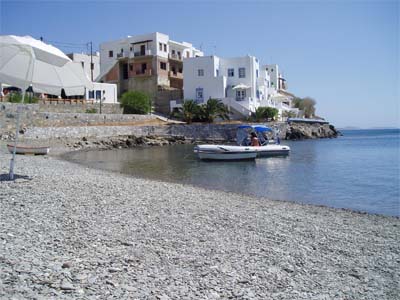

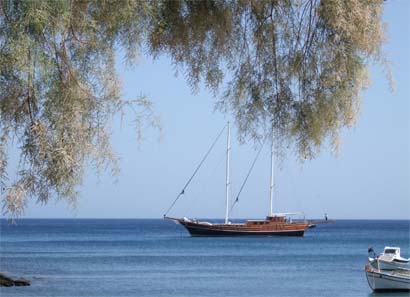
You can swim, relax, read, and watch the boats coming and going, and the Akrogiali restaurant on the beach is excellent.
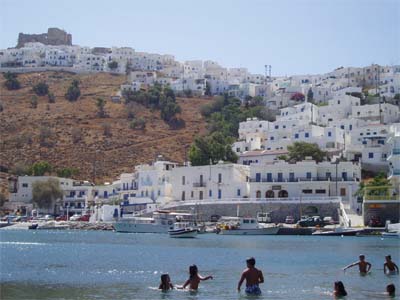
The local children spend a happy hour or two amusing themselves.
MALTEZANA
Maltezana (so called because of the Malteze pirates who used to anchor there) has three bays and is just south of the village of Analipsi.

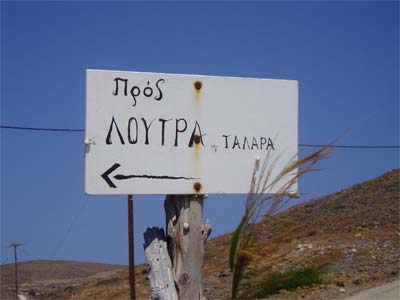
One of the two Roman baths (tallaras) can be found just along the road from the jetty behind calamus reeds and eucalyptus. Follow the main sign and you’ll come across a small hand-painted white sign pointing into a field.
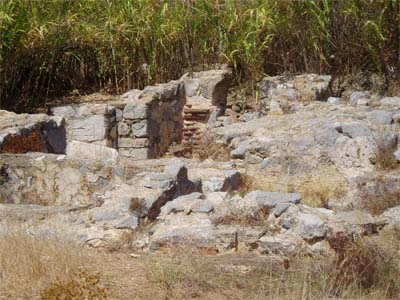
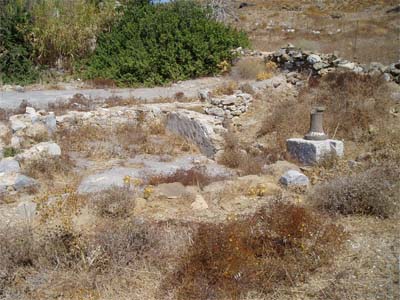
The baths are at the end of a dirt path, but the mosaics were covered with a protective layer of chippings to protect them from the elements. There are some photographs in the museums and some pictures on-line on some of the other Astypalean websites. The design of the mosaic is that of the zodiac with a rather androgenous characterisation of time at the centre.
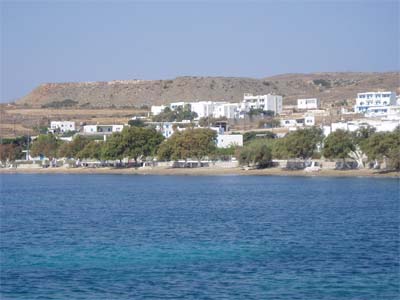
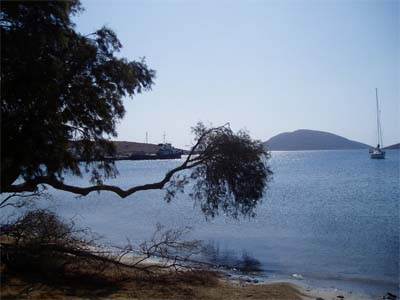
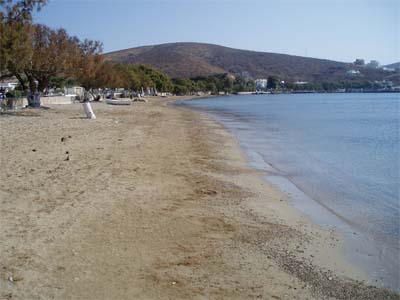
The first bay has a large jetty and a sandy, tamarisk-shaded beach.
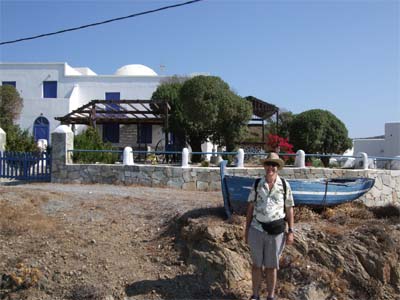
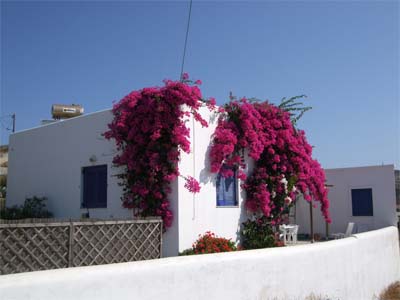
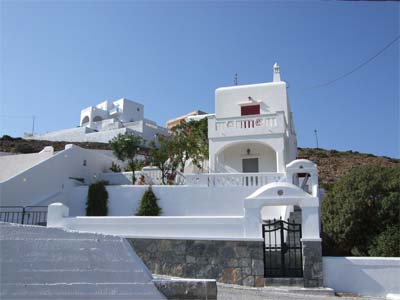
Follow the road up a small hill and down the other side to the second beach/bay and you pass some lovely buildings on the way.
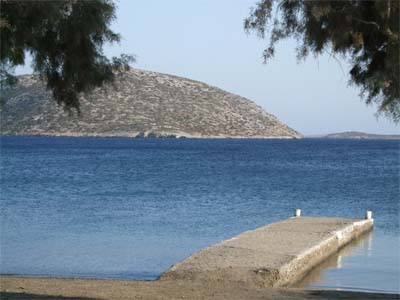
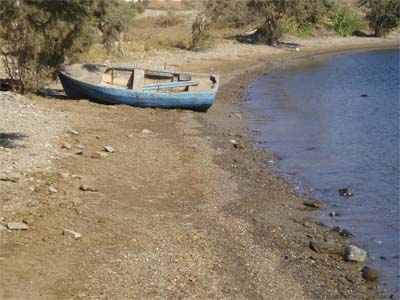

The beach is sandy and the water very shallow, with a little jetty on which you can sit and watch the fish.

The langurous waves scallop beautiful patterns in the sand.
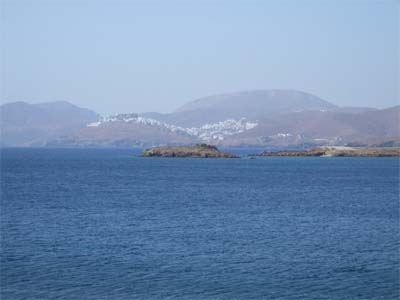
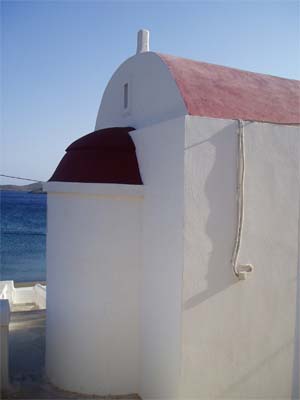
You can see Chora in the far distance and there is a red-roofed church just behind the road.
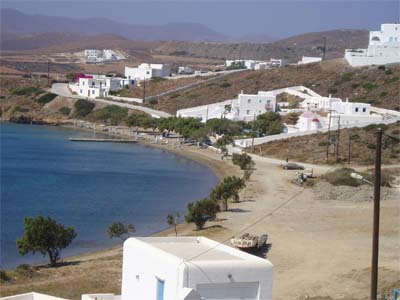
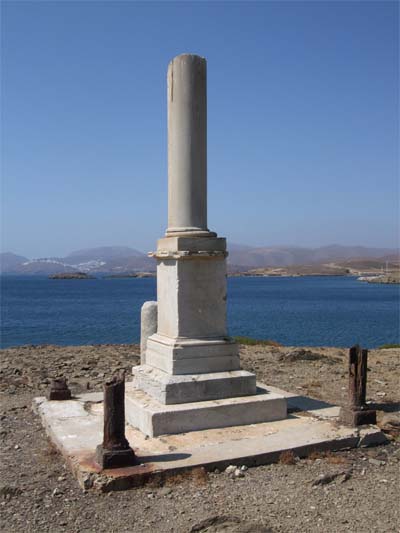
Shallow water and a long, sandy beach curve round to a promontory at the end which is the Bisson monument, a memorial obelisk to French sailors and Captain Bigot who died on November 6th 1827 by setting fire to the frigate to scuttle it and avoid capture by the Ottoman navy during the Greek War of Independence.
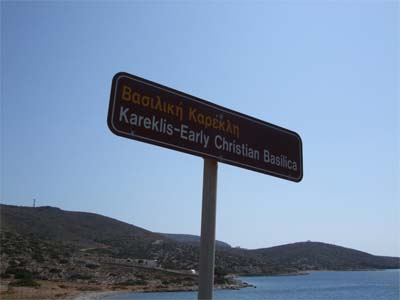
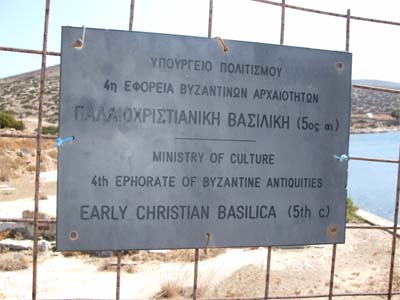
Continue past the obelisk on a footpath/track above the rocks you come to the second tallaras
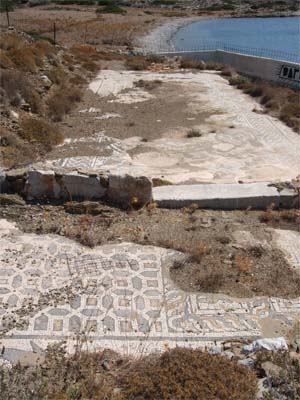
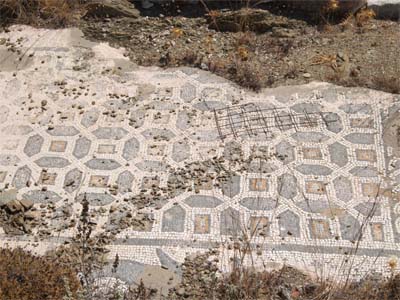
The baths are fenced off to prevent damage but you can see the mosaics and if you look carefully you can just about make out the fin of a dolphin at the bottom of the picture.
The third bay round is primarily used as anchorage by yachts.
LIVADI
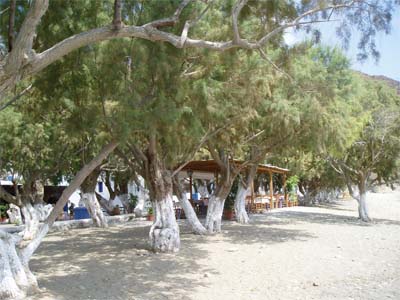

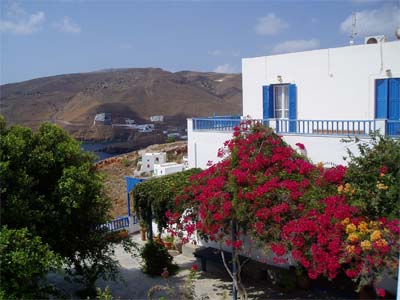
Head south from Chora along the main road to Livadi and you pass Iliana on your right selling a variety of local preserved fruits, cakes and tyripitta, with another large bakers and pizza shop a little before that on the left. There are some good views and interesting buildings en route, and a garden with a tiny chapel built in it.
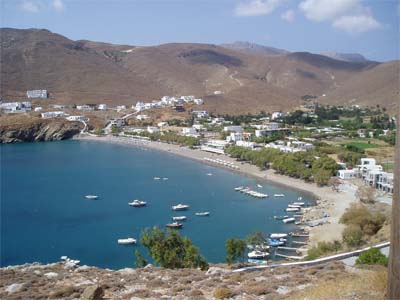
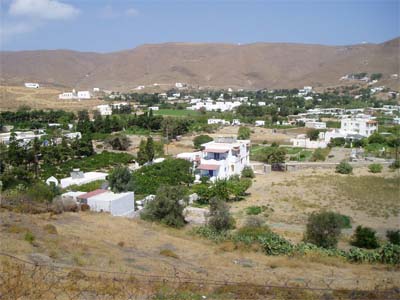
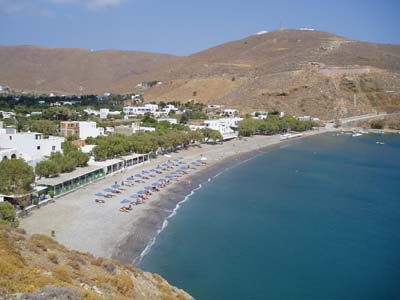
Livadi conjures up the image of an oasis with its lush green valley spread out behind the bay.
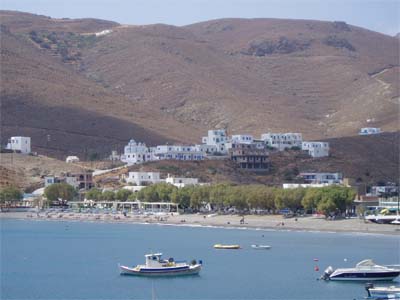
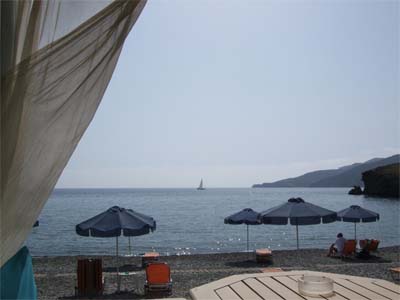
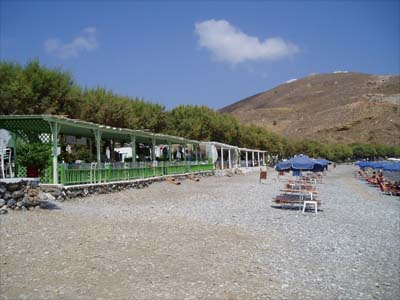
It exudes a delightfully mellow atmosphere for a resort and offers a good variety of café bars and tavernas, along with a couple of supermarkets and accommodation being distributed in uncrowded fashion.
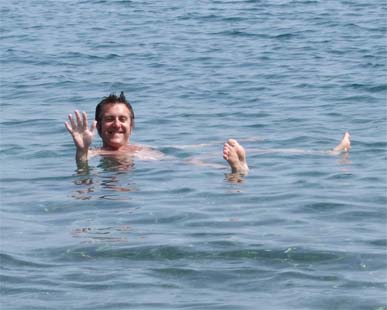
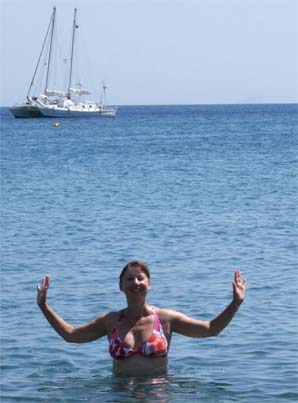
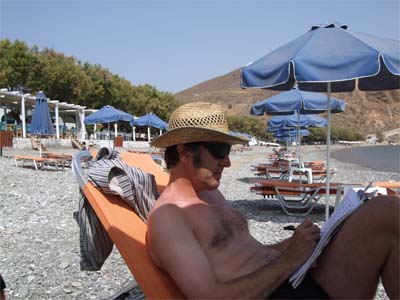
There are small pebbles on the shoreline but a few feet out you have soft sand underfoot, a great place to swim, snorkel, write and relax.

A few yachts come and go, and the beach gives another aspect on the stunning Chora to the east, then across the bay to Ag. Konstantinos in the south and a scattering of islets on the horizon.
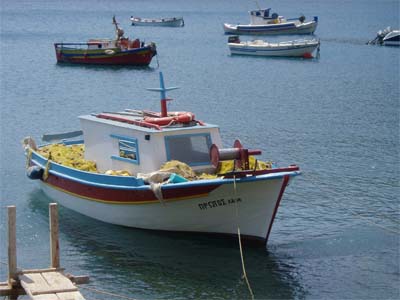
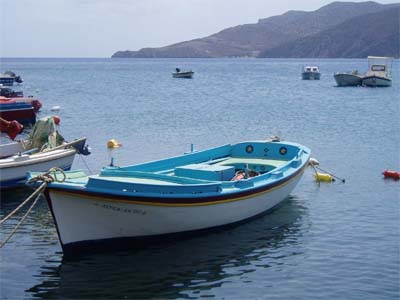
There are still some beautifully-painted fishing boats in the bay.

From Livadi you can drive inland to visit the dam, or follow the road
behind the beachfront, past the parking area, up the hill towards the
church and then left on to the track that takes you to some of the other
beaches.
VASILIOS
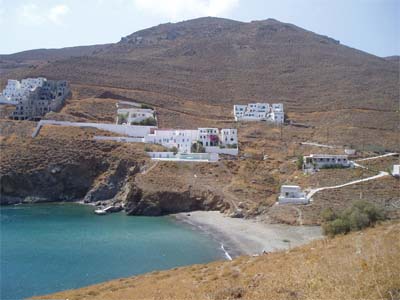
Just past Livadi.
AGHIOS KONSTANTINOS
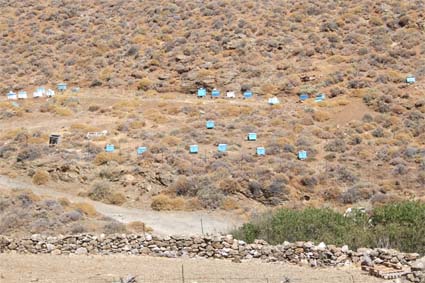

We drove our hired jeep up into the hills and came across a cluster of classic blue beehives, as well as a view looking back across the bay to Livadi and Chora.
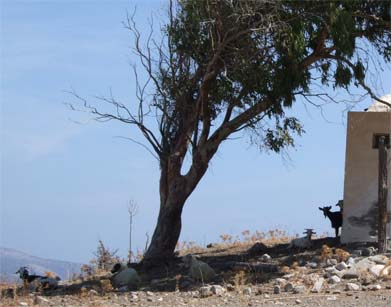
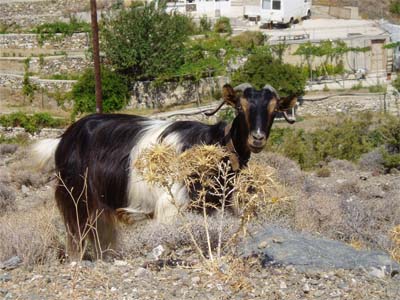
It's great fun driving up in the hills coming across goats.
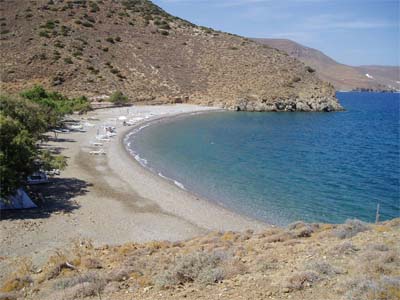
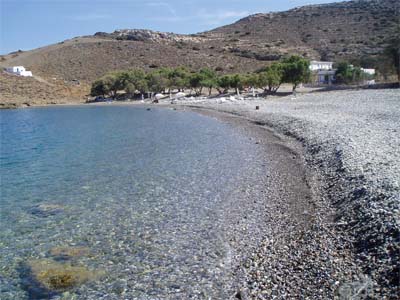
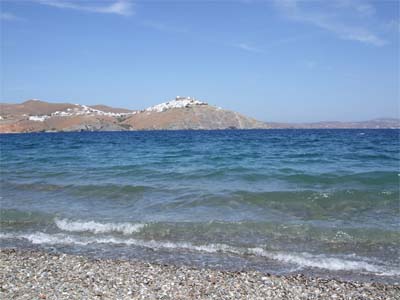
Ag. Konstantinos is pebbly with very clear water and quite peaceful.
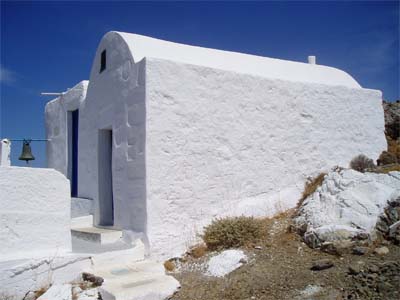
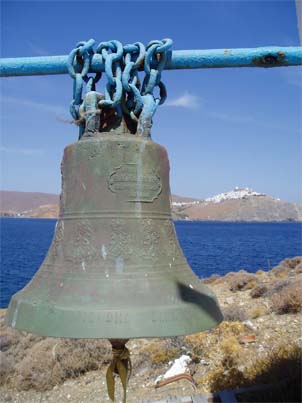
Ag. Konstantinos church is perched on the hill just above the beach.
KAMINAKIA
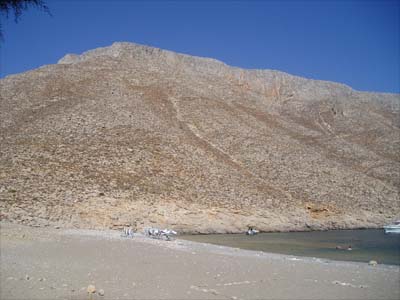
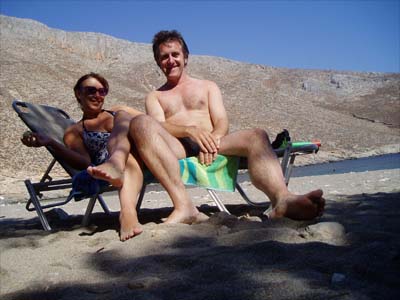

AGHIOS IOANNIS BAY
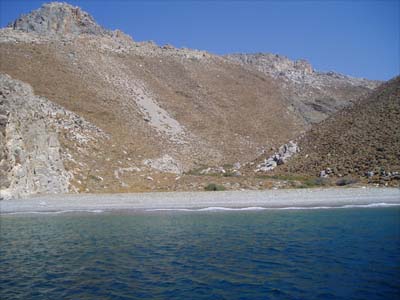
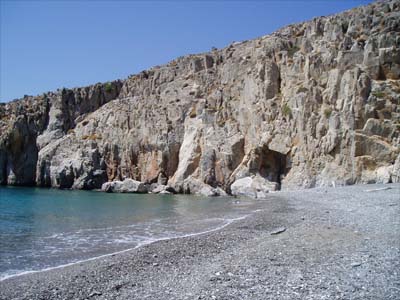
KOUNOUPA, KOUTSOMYTIS AND TIGANI ISLANDS
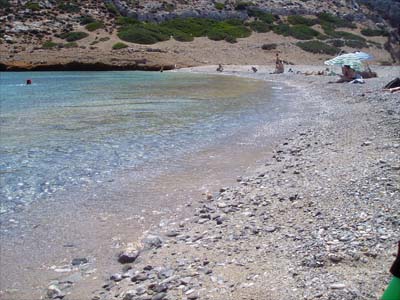
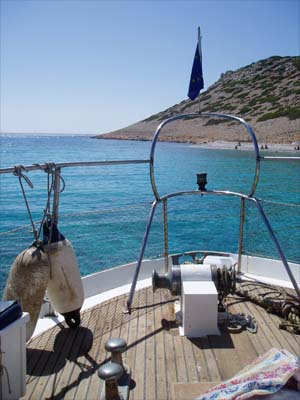
Kaminakia (can be reached by car), Ag. Ioannis Bay, Kounoupa, Koutsomytis and Tigani are bext reached by boat.
See the boat trip page for more information.
Wildlife
Many of the beaches have the sound of goat bells tinkling in the background and some of the quieter ones have a great array of bird life. During our stay we spotted jackdaws, cormorants, birds of prey, sparrows, small wrens, and several we’ve yet to identify one of which had a magnificent lemon yellow breast (on the islet of Kounoupa). Interestingly Astypalaia is one of the only Greek islands to be devoid of snakes, and we didn’t see all that many lizards. There are meant to be a few hares up in the hills. The sea is generally very clear and provides excellent opportunities for fish-watching, either with a snorkel, standing chest-deep with a chunk of bread, or sitting at the end of one of the little jetties. We saw large schools of inquisitive small fry, the occasional larger dogfish, flat fish, bottom-feeding catfish, the multi-coloured glory of the ornate wrasse, sea caterpillars, anemones, starfish, squid, hermit crabs. . .

 Boat
Trip
Boat
Trip